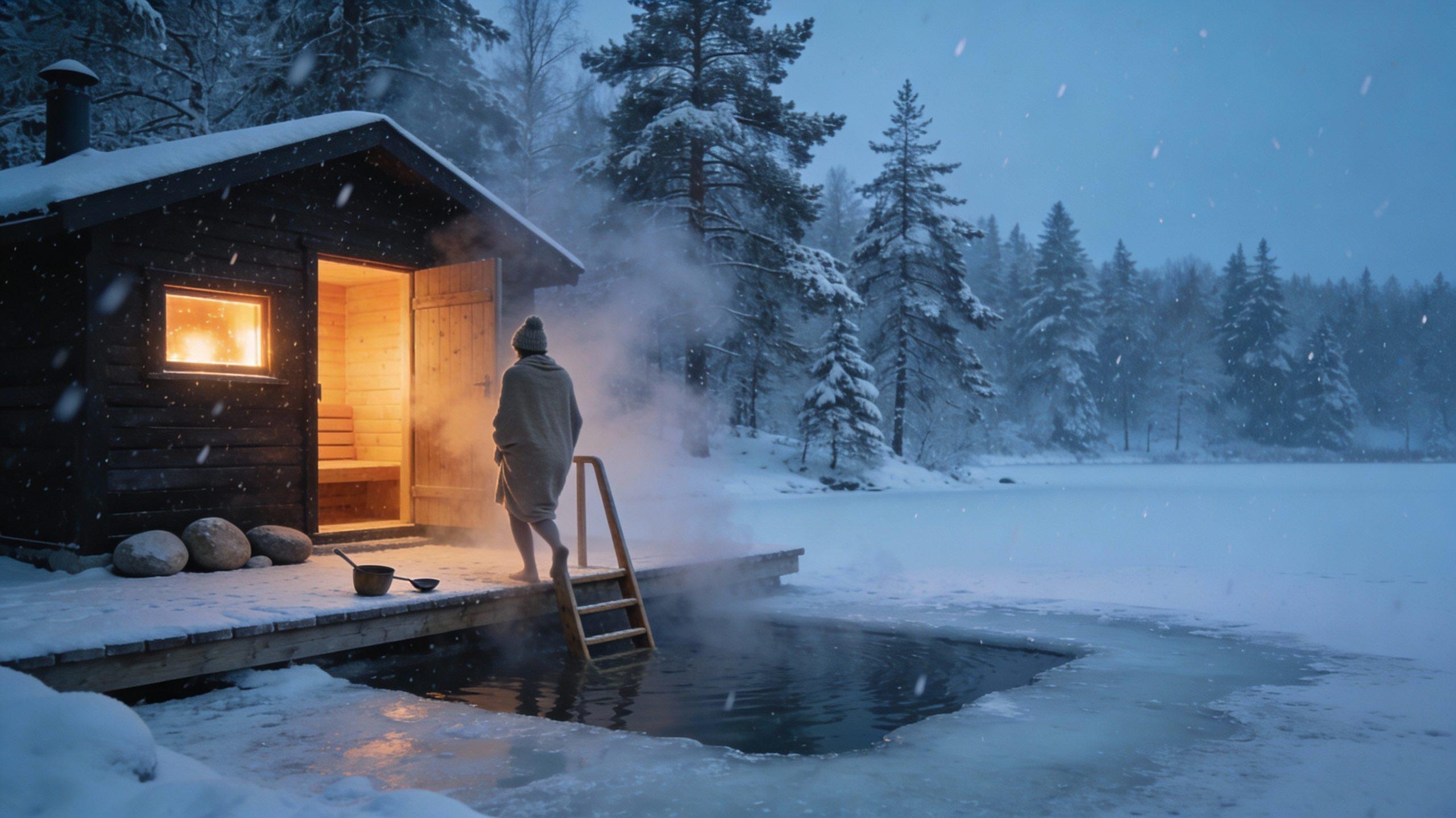
There’s something happening in wellness culture that doesn’t involve apps, subscriptions, or Instagram-worthy studios. People are stripping down, walking outside, and dunking themselves in cold water. Nordic outdoor bathing traditions, practices that Scandinavians have enjoyed for centuries, are becoming the antidote to our over-complicated approach to self-care.
The Simple Power of Hot and Cold
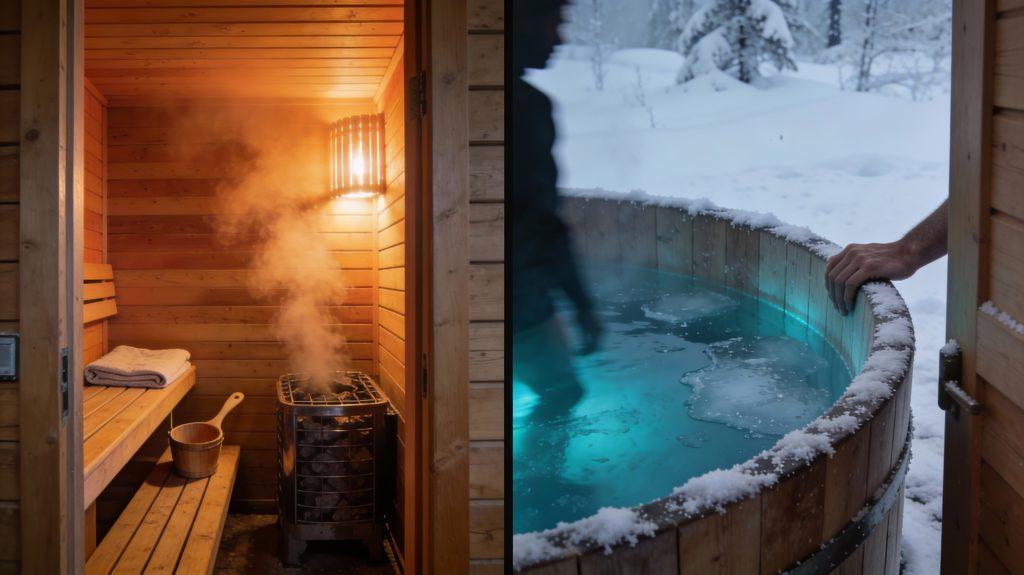
Nordic bathing isn’t new or trendy in Scandinavia. It’s just part of life. The concept is straightforward: heat your body in a sauna, then cool it down in cold water. Repeat. That’s it. No memberships, no special equipment beyond what nature provides, and no guru telling you you’re doing it wrong.
What makes this practice compelling isn’t its complexity but its simplicity. Modern wellness often feels like another job, complete with schedules, tracking, and performance anxiety. Nordic bathing requires nothing but your willingness to be uncomfortable for a few moments.
The Finns have a word, “sisu,” that roughly translates to stoic determination. It’s not about pushing yourself to extremes. It’s about quiet resilience, the kind you develop when you regularly do things that are briefly unpleasant but ultimately rewarding.
Why Cold Water Works When Other Trends Don’t
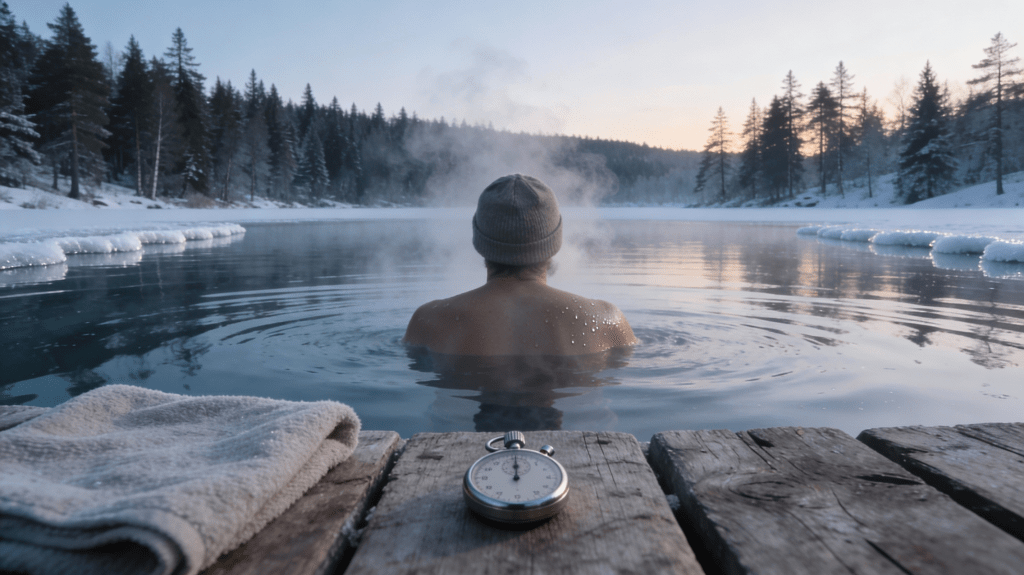
Our bodies respond to cold water in predictable, powerful ways. When you immerse yourself in cold water, your blood vessels constrict, then dilate when you warm up again. This process, repeated over time, may improve circulation and reduce inflammation.
But the physical benefits only tell part of the story. The mental shift matters just as much. In cold water, your mind stops wandering. You’re not thinking about your to-do list or replaying yesterday’s awkward conversation. You’re just there, fully present, focused on the sensation and your breath.
This enforced presence is something meditation apps promise but often fail to deliver. You can’t half-heartedly dip into cold water while checking your phone. It demands your complete attention, and in that demand, it offers something rare: a few minutes where your mind genuinely quiets.
The Social Ritual We’re Missing
Nordic bathing culture isn’t solitary. In Finland, Sweden, and Norway, saunas and cold plunges are social spaces. Families gather, friends meet, and conversations happen in these simple settings. There’s something equalizing about being nearly naked, sweating together, and sharing the shock of cold water.
We’ve built modern wellness around individual achievement. Personal bests, solo meditation sessions, private yoga classes. Nordic traditions remind us that wellness can be communal. You don’t need matching athleisure or a curated playlist. You just need people willing to share the experience.
This social component might explain why these practices stick when others fade. When wellness becomes something you do with others, it’s less about self-improvement and more about connection. That shift in focus makes it sustainable.
Accessible to Nearly Everyone
You don’t need a frozen Norwegian fjord to practice Nordic bathing. Any natural body of water works. Lakes, rivers, even the ocean. The practice scales to your environment and resources.
Can’t access natural water? A cold shower after a hot bath follows the same principle. Home saunas are increasingly affordable, and many communities now have public facilities. The barriers to entry are remarkably low compared to most wellness trends.
This accessibility matters. When a practice doesn’t require expensive gear, specific locations, or perfect conditions, more people can benefit. Nordic bathing is democratizing wellness by accident, simply because it never needed to be exclusive.
The Pleasure of Discomfort
Here’s what nobody tells you about cold water immersion: after the initial shock wears off, it feels incredible. Your body floods with endorphins. You feel awake, alive, and strangely calm all at once. That post-plunge glow lasts for hours.
We live in a culture that maximizes comfort. Climate-controlled homes, cars, offices. We’ve engineered discomfort out of daily life, and in doing so, we’ve lost something. Brief, voluntary discomfort reminds us what our bodies can handle. It builds confidence that extends beyond the water.
This isn’t about tough-guy posturing or proving anything. It’s about discovering that you’re more resilient than you thought. That discovery changes how you approach other challenges.
Bringing Nordic Practices Home
You don’t need to move to Scandinavia to adopt these traditions. Start small. End your warm shower with 30 seconds of cold water. Gradually increase the duration. Visit local swimming spots during shoulder seasons when the water is chilly.
If you enjoy outdoor recreation, consider adding cold water dips to your adventures. After a hike, find a cold stream or lake. The practice enhances the experience rather than requiring separate time and planning.
Build it into your routine slowly. The goal isn’t to suffer but to develop a practice you’ll maintain. Consistency matters more than intensity.
Why This Might Actually Last
Nordic bathing traditions are surviving not because they’re trendy but because they work. They’ve been tested over centuries, across generations, in cultures that value practicality over hype.
As wellness culture grows more complicated and commercialized, these simple practices offer a counterpoint. They remind us that feeling better doesn’t require optimization, tracking, or the latest innovation. Sometimes it just requires cold water, deep breaths, and the willingness to be briefly uncomfortable.
That’s a kind of wellness that might actually stick around.